
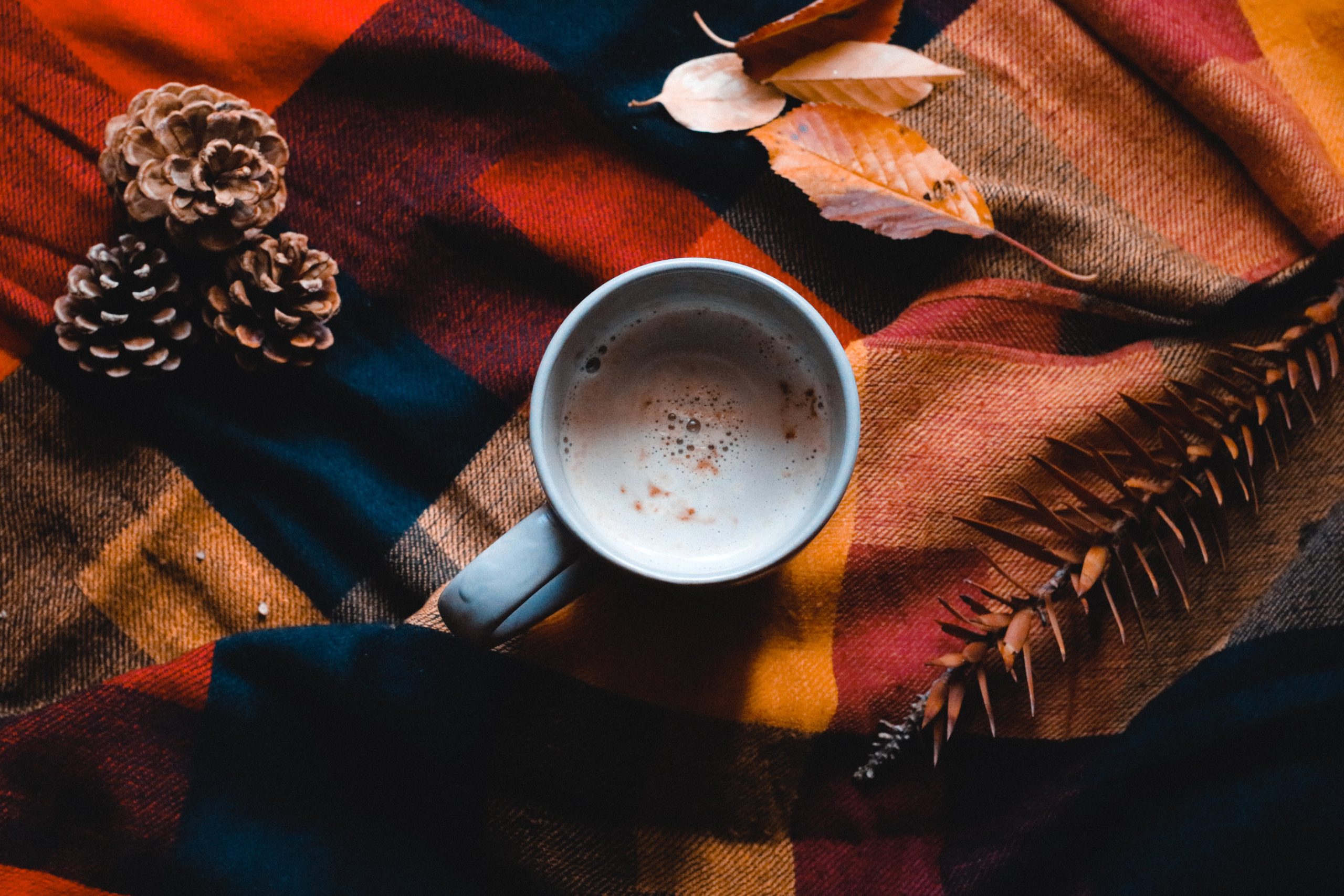
Pumpkin Spice in Chinese Medicine: Why We Crave Warming Spices in Fall
The leaves are turning, the mornings are crisp, and pumpkin spice is everywhere. Whether you love it or roll your eyes, there’s a reason these spices feel so right when the weather cools. I’m Dorothy Pang, L.Ac., and in Chinese medicine, I think about food and the seasons a lot. Here’s what the tradition says about the spices in your fall favorites.
Warming and cooling foods
Chinese medicine has long sorted foods and herbs by their “energetic” nature, such as warming, cooling, or neutral. This is a traditional way of thinking, and it isn’t the same as modern nutrition science, but many people find it a useful, practical guide to eating with the seasons. In fall and winter, the traditional advice is to lean toward warming, cooked foods and go easier on cold, raw ones.
Pumpkin spice, a blend of cinnamon, ginger, cloves, and nutmeg, is made almost entirely of warming spices. That may be part of why it feels so comforting in cool weather.
The spices, one by one
Cinnamon is considered warming and nourishing in Chinese medicine. Traditionally, it’s used to support warmth and circulation, which fits when the days turn chilly.
Ginger is one of the most widely used warming foods in Chinese medicine. It’s traditionally used to settle the stomach and support digestion against the chill that comes with cold, damp weather; a cup of fresh ginger tea is a simple fall habit.
Cloves are warming and have long been used to support digestion. A little goes a long way.
Nutmeg is traditionally used to support digestion and ease a cold, unsettled stomach. It’s best used in small culinary amounts, because large amounts can be harmful.
A reality check on the latte
A pumpkin spice latte contains very little of these spices and quite a lot of sugar. Most of the benefit, in the traditional view, comes from the spices themselves. If you love the drink, enjoy it as a treat, and consider these easy ways to bring in the real thing:
- Sprinkle cinnamon on oatmeal or into your coffee.
- Simmer fresh ginger in water for a warm tea.
- Roast squash or sweet potatoes with cinnamon and a pinch of nutmeg.
- Stir pumpkin spice into warm milk or a plant-based milk, with only a little sweetener or, into your morning coffee.
If you take blood thinners or other medications, or have a medical condition, check with your doctor before adding large amounts of herbs or spices beyond normal cooking.
How acupuncture fits into fall
In Chinese medicine, each season is linked to certain organs and themes, and fall is a time of transition. Many of my patients come in at seasonal changes for help with sleep, stress, stiffness, or just feeling run down. Acupuncture is a gentle way to take care of yourself as the weather shifts, and it works well alongside good eating and rest. If you’re new to it, see my beginner’s guide to acupuncture, or read about how acupuncture may help with holiday stress.
Ready to feel your best this fall?
I’d love to help. [Click to Book your appointment] or call (650) 588-0888. Coverage for acupuncture varies by plan. I provide a superbill you can submit for possible reimbursement, and HSA and FSA funds can often be used. I’m happy to answer any questions about fees before your first visit.
This article is for educational and cultural interest and isn’t a substitute for medical advice.